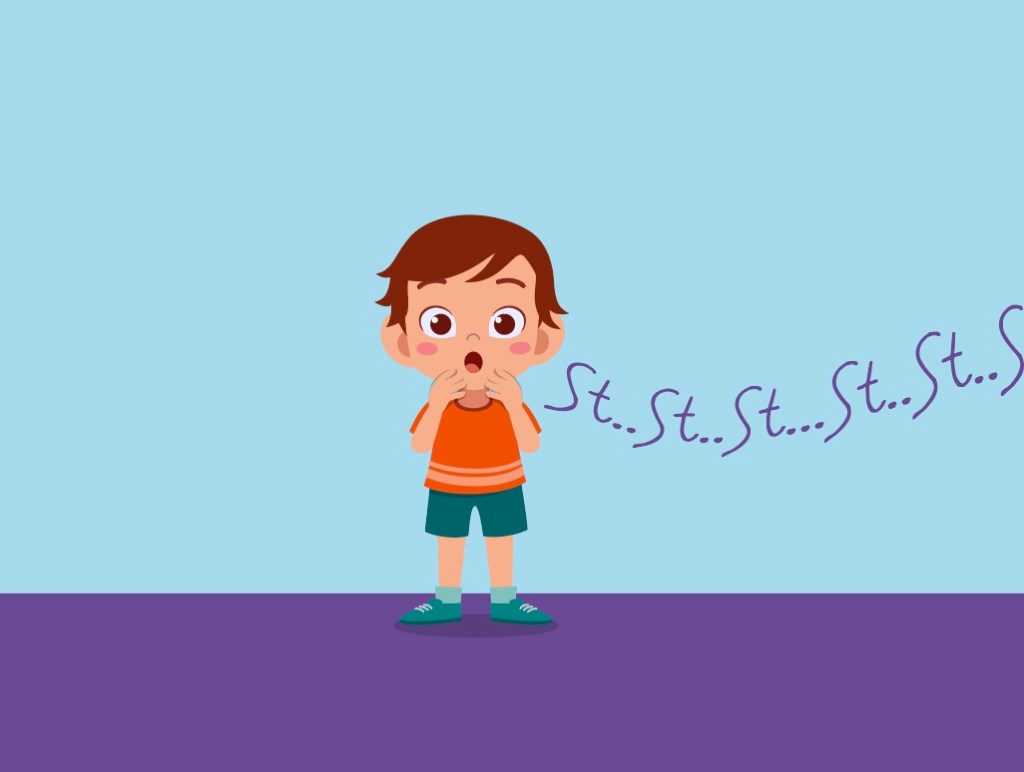
Stuttering, characterized by disruptions in the flow of speech such as repetitions, prolongations, or blocks, can affect people of all ages. While it doesn’t reflect a person’s intelligence or abilities, it can impact confidence, social interactions, and overall communication. This is where speech therapy plays a vital role.
Speech-language pathologists (SLPs) are trained professionals who assess and treat communication disorders, including stuttering. Their goal is not only to help improve fluency but also to support individuals in building confidence and effective communication strategies. Therapy is highly personalized, taking into account age, stuttering severity, emotional factors, and individual goals.
Key Components of Speech Therapy for Stuttering:
- Fluency-Shaping Techniques: These strategies help individuals slow down speech, regulate breathing, and use smoother transitions between sounds to reduce stuttering moments.
- Stuttering Modification: Rather than trying to eliminate stuttering completely, this approach teaches individuals to manage and modify moments of stuttering, making them less tense or disruptive.
- Cognitive and Emotional Support: Stuttering can cause anxiety, frustration, or avoidance behaviors. SLPs provide coping strategies, confidence-building exercises, and support for social communication situations.
- Parent and Family Involvement: For children, therapy often involves coaching parents to model slow, relaxed speech and create supportive communication environments at home and school.
- Technology and Tools: In some cases, devices or apps can support fluency practice and provide real-time feedback, complementing therapy sessions.
Why Early Intervention Matters
Research shows that early intervention can significantly improve outcomes, especially for children. Even for adults, therapy can enhance fluency, reduce communication-related stress, and empower individuals to participate more fully in personal, educational, and professional settings.
Beyond Fluency
Speech therapy for stuttering isn’t just about speaking “perfectly.” It’s about helping individuals communicate effectively, express themselves confidently, and navigate conversations without fear. With the right support, those who stutter can achieve meaningful progress and feel more at ease in everyday communication.
 Pinnacle Speech
Leave a comment